Enduring Smarter in Christchurch: Leadership, Reading Future Signals and Human Execution in Shallow Waters
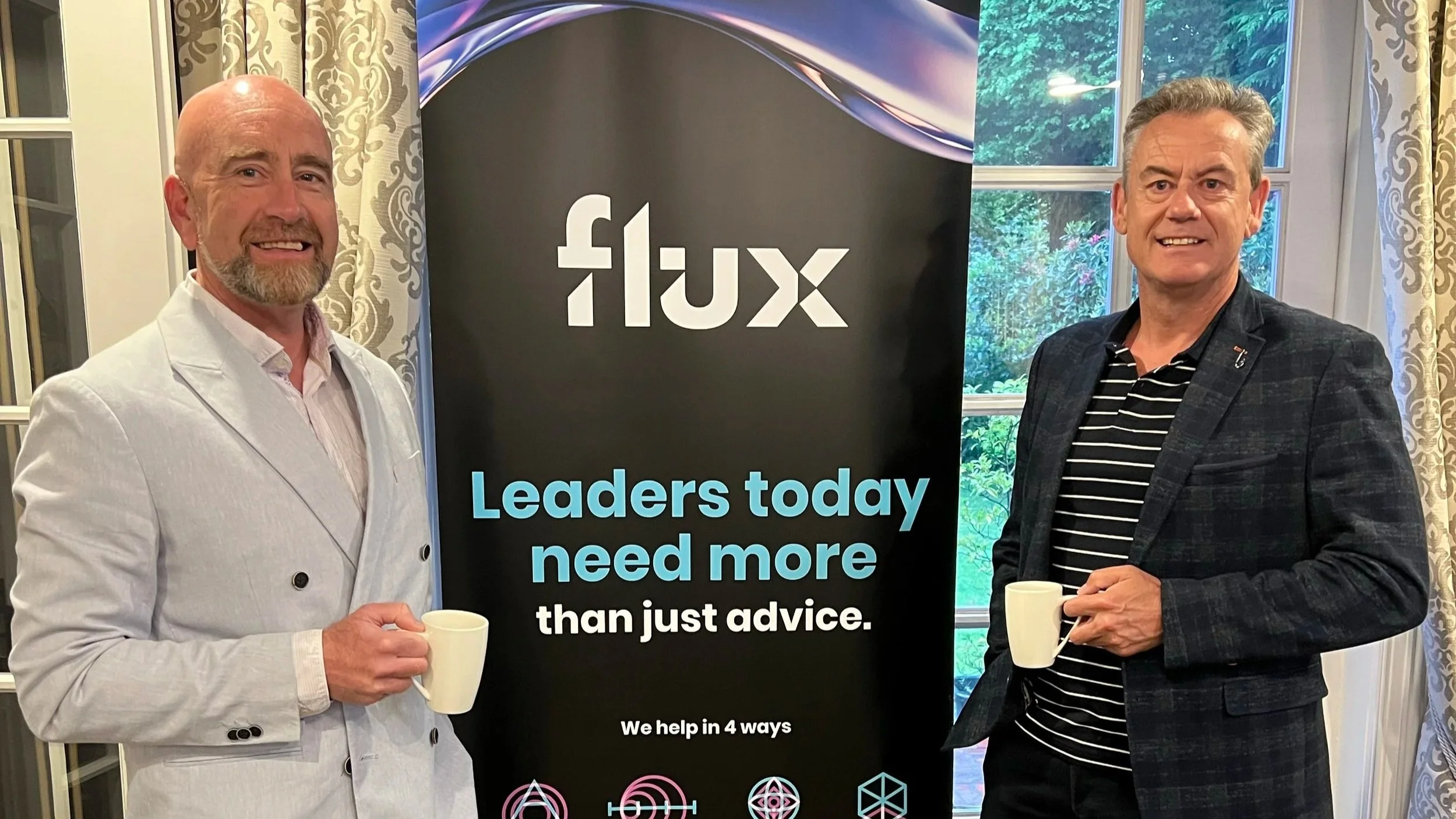
Christchurch CEO Table – Nov 25th 2025
Christchurch showed up differently for this CEO table.
Where Auckland wrestled with capability gaps and change fatigue, Christchurch CEOs brought something quieter, but much deeper. A collective sense that the “game” of leadership itself is changing.
That strategy is shifting from heroic decision-making at the top to sensing and adjustment across the whole organisation. And that execution is no longer just an operating rhythm problem but a human motivation problem.
This wasn’t a conversation about playing harder.
It was a conversation about leading differently.
Here’s what Christchurch taught us.
Redefining Leadership: From Heroes to Rule-Changers
Christchurch CEOs pushed firmly against the mythology of the “hero leader” the wartime general, the sporting captain, the stoic figure who carries the load alone.
They’ve seen too much for that metaphor to hold in today’s world.
What emerged instead was a more courageous, more moral and more human framing:
“Leadership is not playing the same game harder.
Leadership is changing the rules when the game is wrong.”
There was open scepticism of leadership theatre, the slogans, the metaphors, the duty-bound endurance, especially when the underlying system is flawed.
One CEO summed up the room’s sentiment like this:
“Leadership to me is determination to change the rules, not just playing the game out of a sense of duty when the game is wrong.”
This is leadership as choice, not performance.
As courage, not compliance.
Christchurch leaders are rethinking when to persist, when to pivot, and when to remove their team from the field entirely, even if tradition, identity or expectation pushes them to stay.
Strategy as Signal-Reading: Building Organisations That Feel Their Environment
If Auckland’s conversations centred on cadence and capability, Christchurch honed in on sensing.
Repeatedly, CEOs asked:
“ Who in our organisation is actually reading the signals - tech, policy, customer, market and how do those signals shape what we do next?”
They talked about:
CEOs visiting Air Force bases and client sites to understand real risk environments
Leaders carving out space for developers to work on AI beyond backend tasks
Founders spending hours each week on LinkedIn, not posting - but getting a sense of things.
Teams using stand-ups and OKRs not as rituals, but as “signal surfacing” tools
The metaphor that landed hardest was:
The horse in the fog.
The leader sets the direction, but the “body” - the organisation - is the part touching the ground, sensing terrain, adjusting pace.
What Christchurch CEOs want is not perfect plans. They want businesses that self-adjust:
decisions made at the right level
micro-corrections made without escalation
teams empowered to respond immediately to what they see and feel
strategy shaped by real-time signals, not fixed annual assumptions
One CEO articulated it clearly:
“You’ve got to build an organisation that feels its own environment
and makes decisions at every level about how to react.”
This shifts strategy away from documentation and toward awareness.
Execution as Deeply Human: “What’s in it for me?” and the Search for Fit, Meaning and Happiness
Christchurch consistently goes one level deeper than other regions.
Rather than focusing solely on systems, Christchurch CEOs talked about human motivation - why people choose to care, contribute, stay or disengage.
There was a strong critique of culture theatre:
the posters, the perks, the Instagram-ready moments.
People don’t want slogans.
They want meaning.
Christchurch CEOs reframed execution around a core human question every employee carries:
“What’s in it for me to do my best work here?”
Not in a transactional way - but through:
pride
growth
family security
belonging
being valued
feeling useful
One CEO captured this beautifully:
“What’s in it for me? To help me operate to the best of my ability so I feel I’m contributing, then I can help my family.”
Curing, not cutting
There was also a clear preference for helping people find their fit rather than managing them out too quickly. As one CEO put it:
“There’s nothing better than helping people find their happiness.
I’d much rather find the cure for that than just chuck them out.”
Another concern surfaced: the risk of a “wasted generation” - talented young people blocked by anxiety, unclear pathways or lack of mentoring.
Christchurch CEOs see execution as something deeply human: solve motivation, safety and fit - and the strategy moves itself.
Christchurch Reality: Execution Stalls Where People, Culture and Courage Intersect
The conversation added important texture to the themes. The table repeatedly returned to the same execution pressure points:
• Execution breaks at the people-and-culture layer
Toxic negativity (“Eeyores”) slows momentum, and capability gaps are the true blockers.
• Technical talent isn’t motivated by money, but by mastery and autonomy
Peer respect, client exposure and ownership of outcomes matter more than bonuses.
Leaders are redesigning stand-ups, workflows and R&D time to reflect that.
• Authentic brands outperform polished brands
In a noisy LinkedIn world, CEOs agreed: the only voices that cut through are genuine ones.
• Adaptive strategy beats long-range planning
One CEO described 2026 strategy as “hunting for gold in a rainforest” - not following a fixed trail. And how strategy provides the deeper meaning to the hunt, through meaning and purpose.
• Staying close to customers is non-negotiable
Visiting client sites, inviting customers to brief teams, and using LinkedIn for real-time sensing are now core strategy practices.
Christchurch leaders are not talking about theory.
They’re reacting to lived and experienced pressure, and responding with more nuance, more care and more honesty.
Christchurch CEO’s are Leading With Clarity, Courage and Care
If Auckland’s edge is cadence and capability,
Christchurch’s edge is confidence through clarity and humanity.
Christchurch CEOs are:
rejecting hero leadership in favour of rule-changing leadership
building sensing organisations that can read and respond to signals
understanding execution as a human energy system, not a project plan
keeping people connected to purpose, growth and belonging
and redefining the real work of leadership as moral, human and adaptive
They aren’t trying to be louder or faster.
They’re trying to be truer.
They’re navigating better, with clearer eyes, calmer hands, and organisations built to feel their environment.
This is the pulse on Christchurch’s strategic advantage heading into 2026...
ABOUT THE AUTHOR