Is It Your Board, or the Model Itself?
August 2026
We put a binary question to three rooms of CEOs. They split on the answer and converged on the fix.
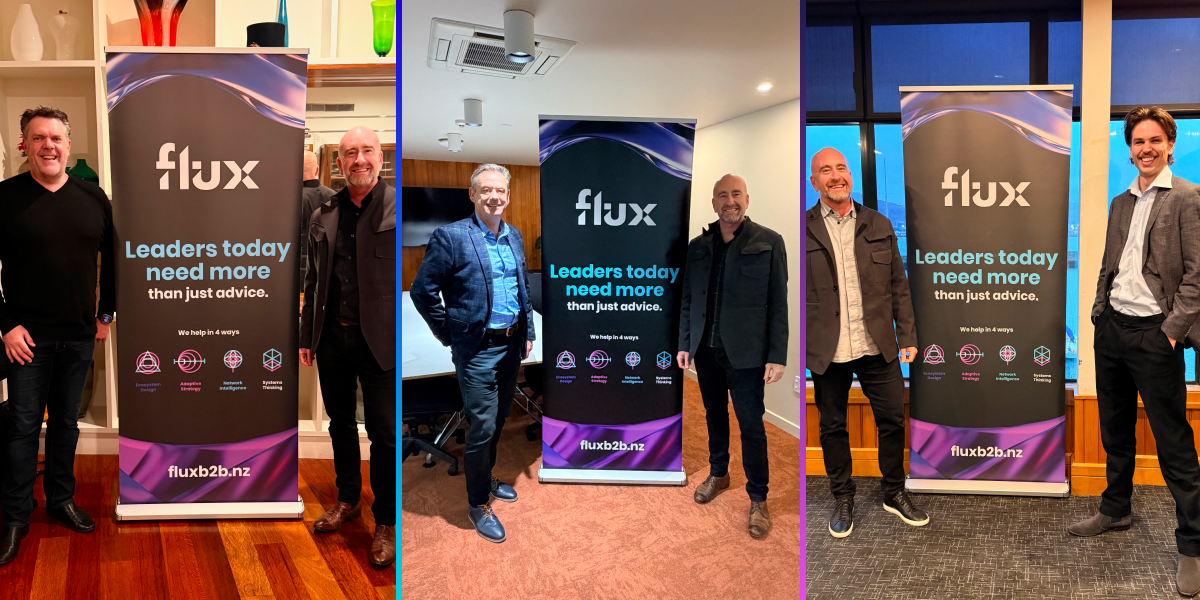
In August, The CEO Table™ returned to Wellington, Christchurch, and Auckland, this time on the topic of Boards & Advisory. The question we opened with was deliberately binary: is it the people on your board, or the model itself?
We expected the rooms to converge around the model. Instead we got three quite different takes, but the same conclusion in each: the board you have is the board you shape.
The model is borrowed, and it doesn't fit
Many boards run on a legacy corporate model designed for listed companies operating in another country and in another era. The mantra of appointing professional directors runs counter to what CEOs said they need more of: operators. The prevailing view was that minimising risk is the wrong thing to optimise for when the rate of change is high. Nothing beats prototyping and failing, and there is real risk in not taking risks.
“Boards are seen as the reasonable bit of the business… actually we need boards to do the unreasonable thing.”
What this means for CEOs: a board that treats every uncertain decision as a threat to be managed is creating drag. The practical fix is to keep the statutory board that the shareholders require, and then to add an advisory group underneath it that meets more often and can support strategic thinking.
Who does the board actually serve?
This was the hardest thing any room surfaced, and it has no clean answer.
Where directors hold their seats by virtue of shareholding, the seat is not the CEO's to reallocate. One CEO described a board that would not move on because they were there to protect their own interests. Another described a board that had turned conservative as the returns improved. The better the business performed, the less anyone wanted to change anything.
“The chair’s job is to manage the board. My job is to manage the chair.”
What this means for CEOs: be honest about which kind of board you have before you spend a year trying to fix it. If the people in the seats won't move on, the influence has to come from somewhere else, and usually that means the chair. However, that can be a harder conversation than any governance framework covers depending on the context.
Don’t treat the board like an event
This was Wellington's clearest reframe. When the cadence of board engagement starts to resemble a scheduled event, everything compresses into the meeting itself, followed by four to six weeks of silence.
One CEO described solving this by shifting his reports to visual formats and calling each board member personally a week before the meeting to walk them through the pack. Briefed beforehand, they arrived ready to work on the problems they were actually there to solve.
What surprised the room was the direction of the problem. Engaged board members usually want to be closer to the business than most CEOs realise. The customer call, the product walk-through, the messy stuff between meetings. Sometimes the gap is simply a lack of invitation.
What this means for CEOs: a board is only as good as the relationships that exist outside the meeting room. If those relationships don't exist or have been neglected, no amount of agenda design will fix it. That's a frank conversation the CEO needs to lead.
A board that can’t see you also can’t challenge you
If the board's only channel into the business is the CEO's account of what is happening, they cannot assess performance or culture effectively. Seeing the business and challenging the CEO require the same thing: more than one perspective in the room. Auckland made the case for reserving a seat for someone whose job it is to disagree, defined as the "eleventh man rule". The distinction the room drew was between opposition for its own sake and disagreement that produces clarity.
“If the board only sees the CEO, then how do they see the rest of the organisation and the culture?”
What this means for CEOs: this is another type of proximity problem, and the fixes tend to be unglamorous. Independent pulse checks. Bringing members of the leadership team into board meetings as a second opinion. One CEO went further and suggested a board observer: someone brought in to watch how the board itself operates and play it back to them.
What this means for New Zealand CEOs
Is it the people, or is it the model? Based on the conversations we had across the country, it's usually neither on its own. Sometimes it’s simply a communication problem. Nobody has actually said out loud what the board is for, what the CEO needs from it, or what it needs from the CEO in return.
Other times, the CEO hasn’t been prepared to lead upwards. A board nobody is willing to be direct with can drift for years while everyone knows, and nobody says, that it isn't serving the business.
The CEOs who came to these Tables weren't there because they had it worked out. They were there because some conversations can only create real change when they are held off the record.